A Deep Study How Event Management Works to Produce Remarkable Experiences
Event management is an intricate self-control that integrates numerous elements to craft memorable experiences. It requires a clear understanding of the event's purpose and audience. Coordinators should browse budgeting, logistics, and advertising and marketing to ensure a seamless implementation. Each component plays an essential duty in accomplishing the desired impact. Nevertheless, the journey does not finish with the event itself. There are understandings to reveal that can shape future undertakings.
The Basics of Event Management
Effective event management includes a series of essential principles that lead the planning and implementation of successful events. At its core, it includes recognizing the event's objective, audience, and wanted end results. Identifying the target group is important, as it notifies choices associated with web content, advertising, and logistics.
Budgeting is one more basic aspect, assuring that sources are designated successfully while fulfilling the event's objectives. This includes preparation for unforeseen expenses that may occur.
Time management plays a vital duty, as event supervisors should create a detailed timeline to collaborate different tasks and turning points.
In addition, efficient interaction among stakeholders, suppliers, and employee is important to ensure alignment and stay clear of misunderstandings.
Danger management must be taken into consideration, with contingency strategies in place to attend to potential obstacles, therefore boosting the general experience for participants and assuring a seamless implementation of the event.
Secret Functions in Event Planning
In event planning, understanding key functions is vital for effective implementation. The event organizer is in charge of looking after logistics and making sure all facets line up with the vision. Additionally, effective supplier management is important for preserving quality and fostering strong partnerships throughout the planning procedure.
Event Organizer Responsibilities
An event planner orchestrates the complicated components of event planning, making sure seamless implementation from fertilization to verdict. They are accountable for conceptualizing the event motif, establishing budget plans, and producing timelines to keep the project on track. Coordination with stakeholders, consisting of clients, venue supervisors, and volunteers, is necessary to straighten assumptions and facilitate communication. The coordinator also supervises logistics, such as food catering, transport, and technology requires, making certain all components function harmoniously. They conduct website check outs, handle routines, and troubleshoot problems that might occur during the event. Post-event, the coordinator evaluates the event's success, gathering comments and evaluating results to educate future projects. This multifaceted duty needs strong organizational abilities, attention to detail, and reliable interpersonal communication.
Vendor Management Fundamentals
Steering through the landscape of supplier management is vital for effective event planning. Effective supplier management entails identifying, picking, and collaborating providers who offer important services, such as event catering, audiovisual support, and design. Event coordinators have to maintain strong interaction with vendors to ensure that all aspects align with the event's vision. Key duties consist of the vendor manager, that oversees contracts and negotiations, and the logistics organizer, in charge of on-site arrangement and implementation. It's critical to establish clear assumptions and timelines, promoting a collective atmosphere that enhances the total experience. By prioritizing these aspects, event coordinators can navigate prospective challenges, ensuring that every detail adds to a seamless and memorable event.
Crafting a Vision: Concept Development
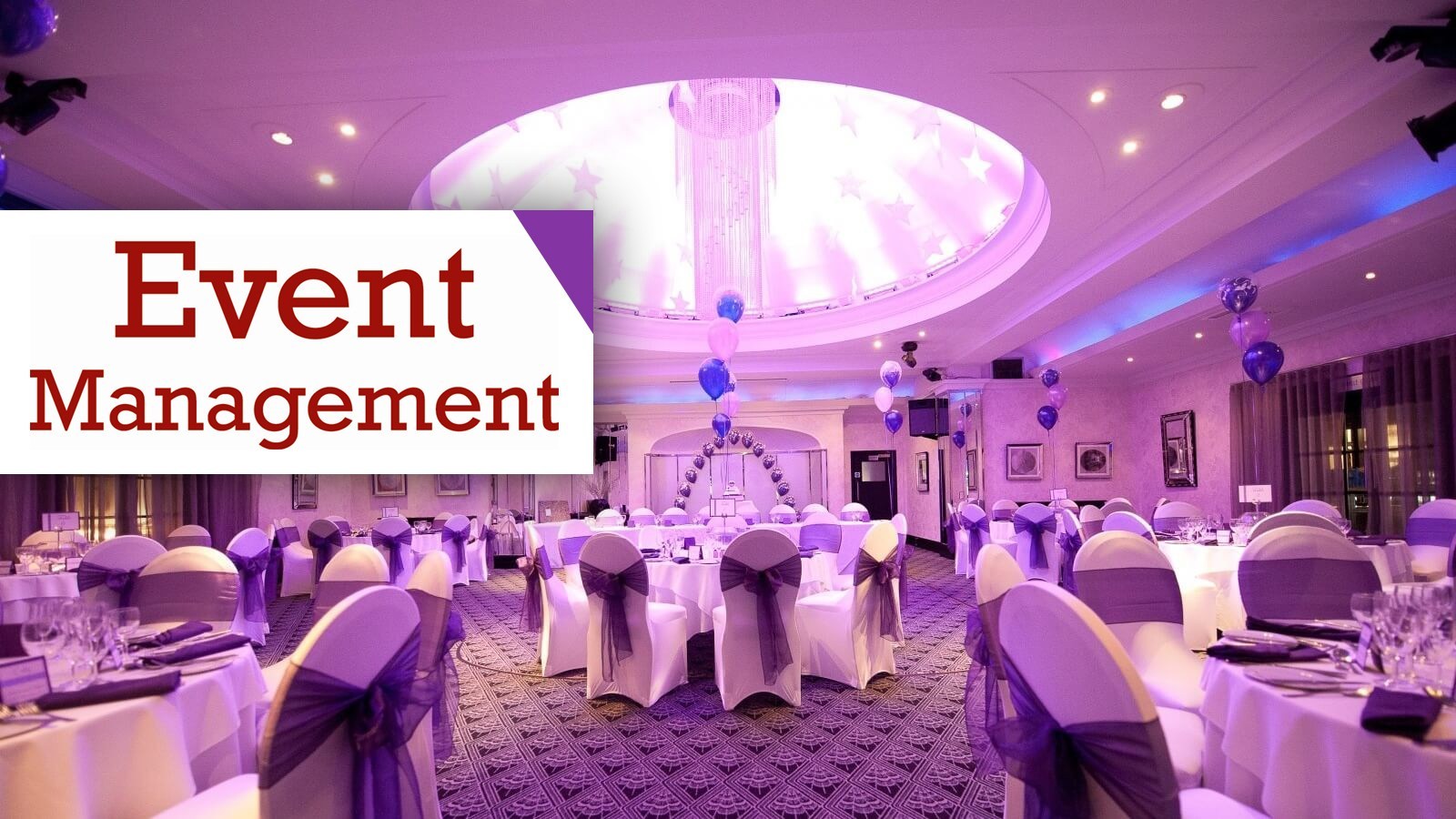
When a vision is developed, it comes to be important to convert it right into workable elements. This includes defining the atmosphere, choosing proper places, and identifying the event's style. Collaborating with stakeholders, consisting of sponsors and partners, further improves the principle, guaranteeing that all parties share a combined understanding of the event's function. Inevitably, a well-developed vision not only enhances attendee involvement yet additionally sets the stage for unforgettable experiences that resonate long after the event concludes.
Budgeting and Source Appropriation
With a clear vision in area, the next step in event management includes cautious budgeting and source allocation. This critical phase guarantees that all necessary parts are moneyed and lined up with the event's goals. Event supervisors start by estimating costs related to location selection, catering, enjoyment, and advertising and marketing. They develop an in-depth budget plan that lays out each group, permitting transparency and liability.
Resource allowance extends beyond financial resources; it also encompasses human sources. Determining group roles, duties, and timelines is important to guarantee efficiency. Event managers should also consider backups for unforeseen expenses or modifications in scope, developing a barrier within the budget plan.
Additionally, prioritizing investing on aspects that enhance visitor experiences is essential. By purposefully assigning resources, event supervisors optimize effect while preserving monetary control. This regimented method not just cultivates successful events but additionally develops reliability and trust with stakeholders and individuals.
Logistics: The Foundation of Event Execution
While budgeting lays the groundwork for an event, logistics function as its backbone, ensuring that every facet is carried out smoothly and successfully. charlotte event companies. This encompasses a vast array of activities, consisting of venue choice, transport plans, and tools purchase. Efficient logistics management requires precise planning and coordination to guarantee that all elements straighten with the event's timeline and purposes
Trick parts of logistics include inventory management, where supplies and products are tracked to avoid scarcities, and staffing, which involves recruiting and training employees to take care of different jobs. Interaction is additionally important, as it promotes collaboration amongst suppliers, enrollers, and the event team.

Advertising And Marketing and Promo Techniques
Reliable advertising and promotion approaches are necessary for making best use of presence and involvement at an event, as they generate interest and excitement among potential participants. Event supervisors use a mix of typical and electronic marketing strategies to reach their target audience. Social media site platforms, e-mail projects, and targeted advertisements are generally made use of to create buzz and foster community interaction. Cooperations with influencers or industry leaders can enhance reputation, while involving web content such as videos and reviews can reverberate with prospective guests.
Additionally, leveraging event-specific hashtags and creating shareable graphics urges organic promo among participants. Early bird ticket deals and special promos can incentivize registration, additionally boosting passion. A well-designed web site that provides very easy navigating and clear information about the event can enhance the customer experience. By applying more information these advertising and promo strategies, event managers can guarantee greater exposure and eventually create a memorable experience for all individuals.

Determining Success: Feedback and Examination
Success in event management pivots on robust comments and examination mechanisms. These processes are important for determining the effectiveness of an occasion and identifying locations for improvement. By collecting input from attendees, organizers can assess complete satisfaction levels, comprehend choices, and gauge overall influence. Studies and interviews work as beneficial devices for accumulating measurable and qualitative data, permitting for detailed analysis.
In addition, examining key efficiency indications (KPIs) such as participation rates, involvement degrees, and return on investment (ROI) supplies a clearer photo of event success. Post-event debriefing sessions with the preparation group additionally contribute insights, promoting a society of constant improvement.
Inevitably, a methodical method to responses and analysis not only improves future occasions yet also strengthens relationships with stakeholders. By implementing these methods, event managers can create remarkable experiences that reverberate with participants and drive ongoing engagement.
Regularly Asked Concerns
How Do Event Supervisors Deal With Unexpected Obstacles During an Occasion?
Event managers resolve unanticipated challenges by continuing to be calmness, examining the situation, and applying backup plans - charlotte event companies. They connect efficiently with their group, adapt swiftly, and prioritize remedies to assure the event proceeds efficiently and successfully
What Technology Devices Are Important for Modern Event Management?
Vital technology tools for contemporary event management include event registration software application, job management applications, participant Visit Website engagement platforms, and analytics devices. These sources enhance processes, improve interaction, and improve total event experiences for organizers and individuals alike.
Exactly How Do Social Distinctions Impact Event Preparation and Implementation?
Social differences considerably influence event planning and execution. They impact themes, customizeds, communication styles, and expectations, necessitating tailored methods to assure inclusivity and regard, inevitably forming the overall experience and success of the event.
What Are the Ethical Considerations in Event Management?
Ethical factors to consider in event management incorporate transparency, sustainability, cultural sensitivity, and inclusivity. Coordinators need to prioritize fairness, regard diverse target markets, lessen environmental effect, and assurance availability to develop responsible and memorable experiences for all participants.
Just How Can Sustainability Be Integrated Into Event Planning?
Sustainability can be integrated into event preparation by utilizing environment-friendly products, minimizing waste, sourcing neighborhood vendors, executing carbon offset programs, and advertising digital remedies to minimize paper use, thus boosting environmental consciousness within the event's framework.
Comments on “How charlotte event companies evaluate success after events”